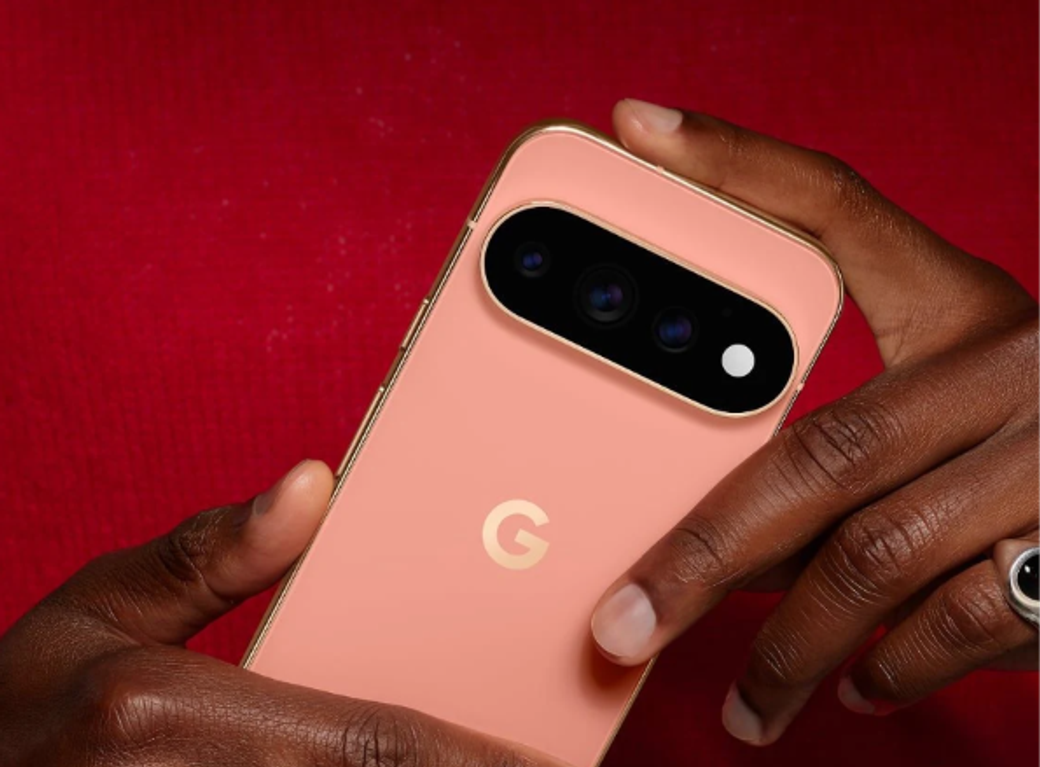
The Pixel 11 Pro XL mostly refines what went before: faster image capture, more photographic options, and a handful of AI features that land in useful, but, ways.
Google’s voice-to-text editor, Rambler dictation tool, is the standout. It trims filler words, formats speech and copes with noisy environments and language switching, features the reviewer found genuinely helpful in day-to-day note-taking and replies after nearly a week with the handset. For people who already use dictation regularly, Rambler is the sort of convenience that gets used, not admired.
The phone ships with new Gemini features that promise proactive, context-aware help. In practice the reviewer saw those suggestions inconsistently; Proactive Suggestions appeared in some messaging contexts but missed others, and Gemini did not surface calendar-based availability beyond Google calendars as the reviewer expected. Some agent-like tasks, such as placing an order, are gated by geography: those agentic capabilities are available in the U.S. only.
A new LED on the camera bar, called HiLight, is a clear design flourish and a signal device for Gemini activity and favourite callers. It looks striking, but its utility is narrow: it currently lights only for Gemini activations and certain calls, not for texts or most app notifications, so it will be useful only in a small number of real-world setups as the reviewer found.
Photo improvements are the most concrete hardware win. Google enlarged the sensors on the main and telephoto cameras, and the result is a noticeably snappier capture experience: the camera app feels quicker, Night Sight is faster to complete, and handheld blur is easier to avoid because the cameras are snappier. Google’s AI-assisted Pro Res Zoom has also been improved for extreme digital zooms. Those are iterative gains rather than a leap, but they matter where speed and low-light usability are priorities.
Other small touches appear useful but unfinished. Live Translate can add captions for streams and videos, but requires downloading individual language packs. The HiLight LED is ripe for more user-facing customisation, the reviewer notes, like colour-coding app alerts, a refinement that would make the feature materially more helpful.
For buyers who prize a different trade-off, stronger privacy by default and alternative system software, a hardware option is due next year. Motorola’s partnership to ship phones with GrapheneOS is expected to launch in 2027, and those devices are reported to be priced higher than current Pixels. That matters because the Pixel line is increasingly a showcase for Google’s Gemini assistant and related services; people who want fewer integrated Google services now have a clear, if costlier, alternative on the horizon.
The Pixel 11 Pro XL is a tidy, well-made successor rather than a reinvention: faster imaging, a genuinely useful on-device dictation feature, and some early-stage agent behaviour from Gemini. If you need those specific improvements, the phone is worth a look; if you wanted a striking new design or a wholesale rethink of how a phone should behave, this is not it.