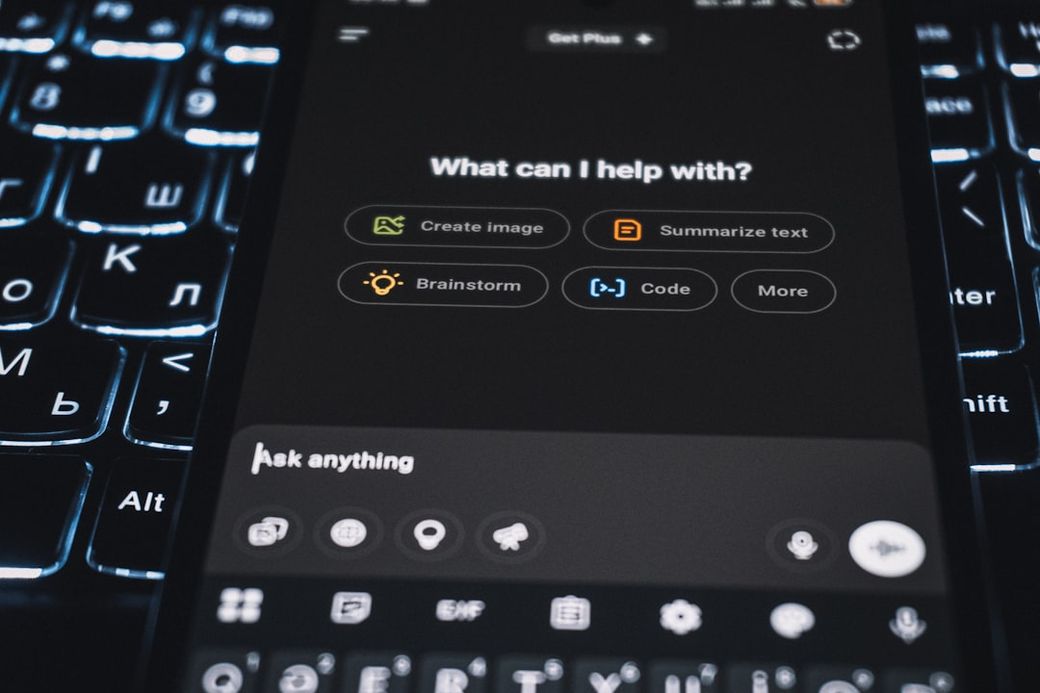
What's new: OpenAI has rolled out a version of the ChatGPT chatbot specifically for teens.
The AI lab has announced that this teen-oriented chatbot aims to tighten safety controls around minors and will help nudge students toward learning exchanges, the company said.
This new product bundles stricter content filters, parental controls and learning-focused features intended to address legal and reputational pressure over youth harm tied to chatbots.
OpenAI, in a blog post, highlighted that it is an experience that's designed to help teens learn, think critically, deepen understanding, and use AI with confidence.
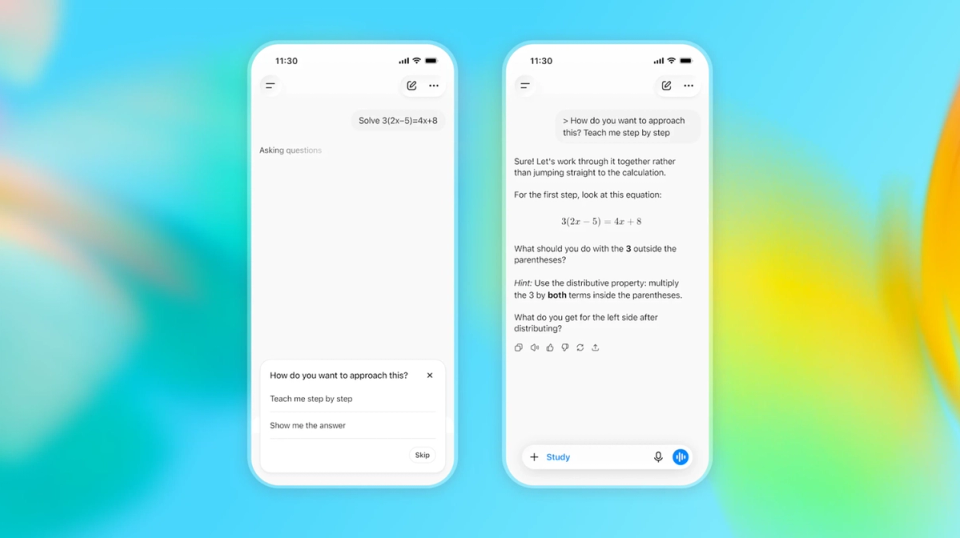
At the centre of the package is a new Study Mode that gives teens guiding questions and step‑by‑step help so the tool supports understanding rather than delivering quick answers. OpenAI said the teen experience will also surface homework reminders when it detects attempts to shortcut learning, push users toward Study Mode, and offer quizzes and learning visualisations to reinforce work
OpenAI said it is also applying youth protections by default. The teen setting will automatically apply for users who identify as being between the ages of 13 and 17, and the service bars children under 13 from the platform.
Teen mode tightens restrictions on sensitive material, including graphic violence, depictions of self‑harm and sexual or romantic roleplay, and surfaces warnings and safety information on issues like eating disorders and graphic violence.
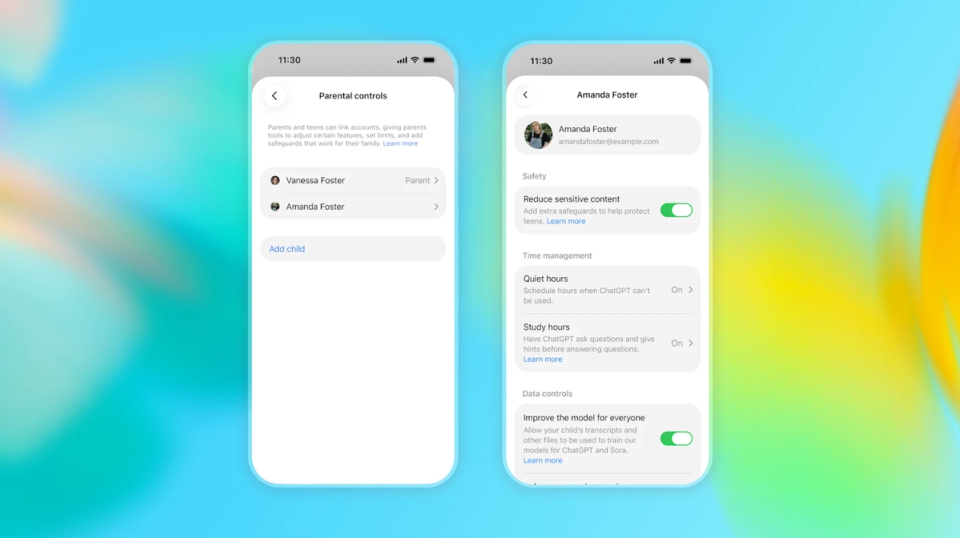
Parents and guardians get new controls, too: options to set quiet hours, receive safety‑alert notifications if the system flags a risk, and choose whether Study Mode is enabled by default.
OpenAI described the changes as a consolidation of existing youth safeguards and new features under one roof.