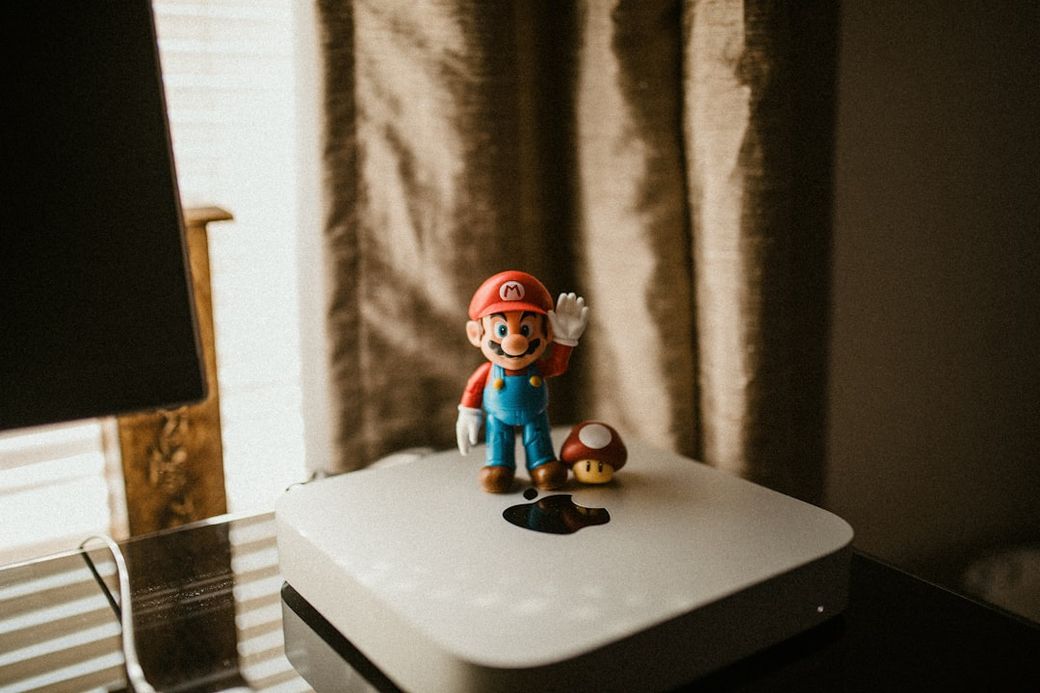
Apple has unveiled the M6 chip and M5 Ultra, alongside refreshed Mac Studio and Mac Mini models, pitched at buyers who want to run artificial intelligence (AI) tools directly on their own hardware rather than through the cloud.
The two were once sold as machines for video editors and musicians.
Now Apple is talking about "extreme pro workflows" and "always-on agentic computing", jargon that conflates two very different customer bases to chase a buzzword.
The Mac Mini has genuine appeal among hobbyists running local AI agents, including the OpenClaw community, but that remains a niche pursuit rather than a mainstream one.
The RAM arms race
Apple has pushed its top-end RAM configuration to 512 gigabytes, clearly aimed at users trying to run large local models without leaning on external services.
Yet the company's own press materials keep comparing performance against the ageing M1 chip, a comparison that flatters Apple's "leap" more than it should.
There is, notably, no fresh AI benchmark data for the M5 Ultra, an absence that speaks louder than the marketing copy around it.
Nvidia owns the argument
Apple calls the Mac Studio "the ultimate desktop for on-device AI", a claim that will raise eyebrows among anyone who has priced a PC with a high-end Nvidia graphics card for AI inference.
The Mac Studio remains a capable machine for creative work, but its case for AI inference specifically is unproven until independent testing says otherwise.
Running large local models is still a fiddly business requiring serious technical know-how, and buyers serious enough to attempt it typically know exactly which hardware they need without Apple's help.
And then there's the price...
Apple has also raised the Mac Mini's price by $300, a jump the company attributes to reshuffling the 256 gigabyte storage configuration rather than a straightforward increase.
That explanation may satisfy nobody, particularly set against Apple's other recent move: cutting the price of its polishing cloth from $19 to $9.
The contrast suggests a company shuffling its margins between accessories and core hardware, rather than one simply passing savings on to customers.
Buyers chasing "agentic computing" on a Mac may find the phrase does more work in Apple's advertising than it currently does in their own daily use.