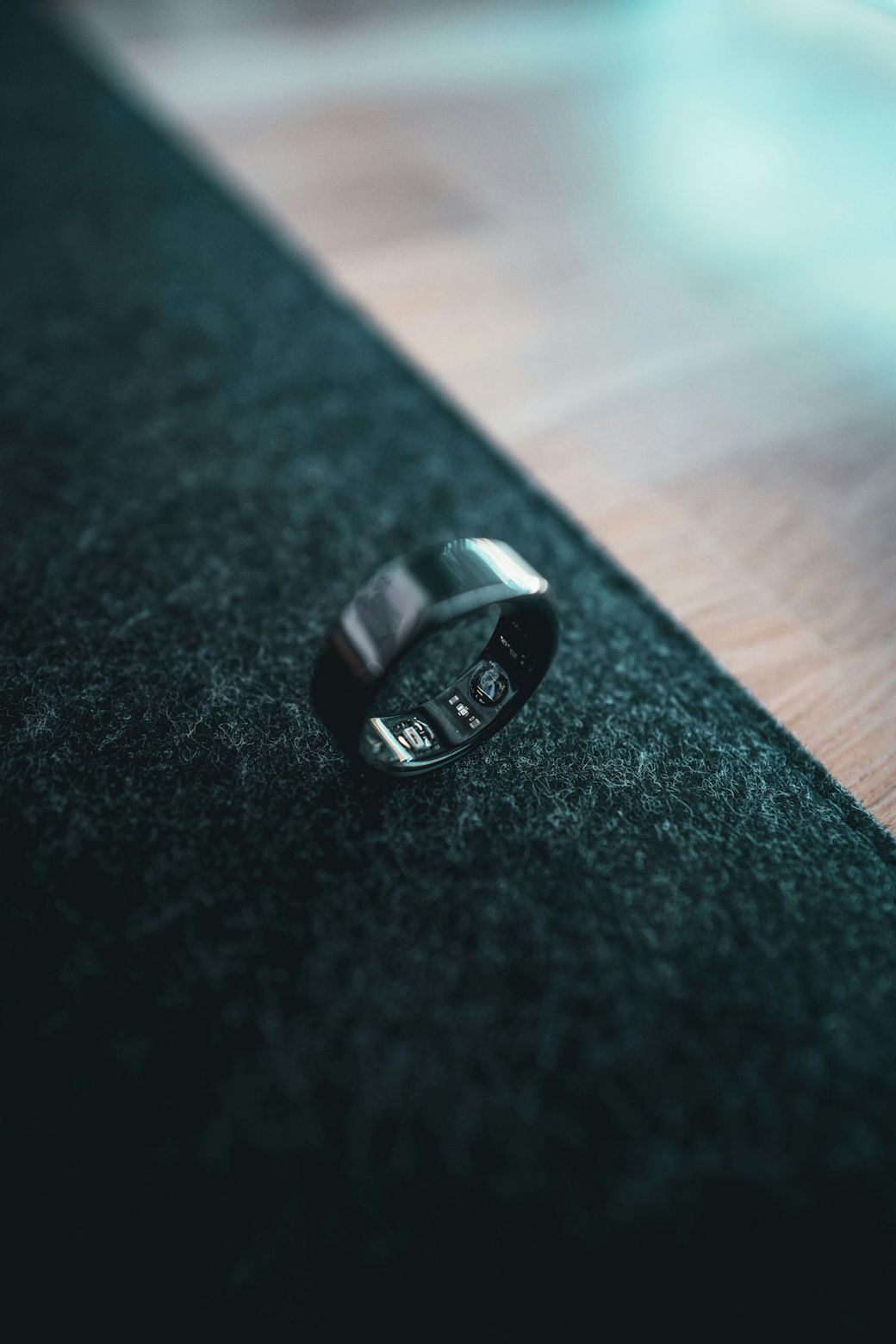
Hardware wearables are heading back to the public markets, and Oura, the smart‑ring maker with offices in San Francisco and Finland, is reported to be among them, preparing a US IPO as soon as next month that could raise up to $3 billion
The offering being discussed would put the more‑than‑900‑person company at north of $16 billion a sharp jump from the roughly $10.9 billion valuation assigned after its $875 million Series E last September
Oura has told reporters it could not comment on the rumor, but the company had already filed confidentially for an IPO in May Public filings will be the first concrete account of the firm's finances; Oura has said it generated $500 million in revenue in 2024 roughly $1 billion in 2025 and expected close to $2 billion in 2026
Bloomberg’s reporting on the planned deal also says some existing investors are expected to sell a major chunk of stock in the offering
The market Oura is trying to monetise has become crowded. Samsung launched its Galaxy Ring two years ago and rival Whoop has repositioned itself toward a wider consumer audience while attracting a reported $10 billion valuation in March Oura has likewise been pushing past its early biohacker niche toward mainstream sleep and recovery features.
The run-up to an IPO is not happening without risk. A proposed class action lawsuit filed in San Francisco last week accuses Oura of overstating the accuracy of its sleep‑staging claims The company pushed back in a statement, saying it will “defend against [the claims] in the appropriate legal forum,” and adding that “Oura’s sleep staging has been validated and compared favorably in multiple studies against polysomnography, the gold standard”
All of this matters because an S‑1 will force specificity. The numbers investors are valuing today, revenue trajectory, margins, and how the company translates a ring into recurring revenue, live in that filing. If the reports are accurate, the S‑1 and any subsequent roadshow will be the first hard test of whether Oura’s growth and its responses to legal scrutiny justify a public‑market valuation above $16 billion.