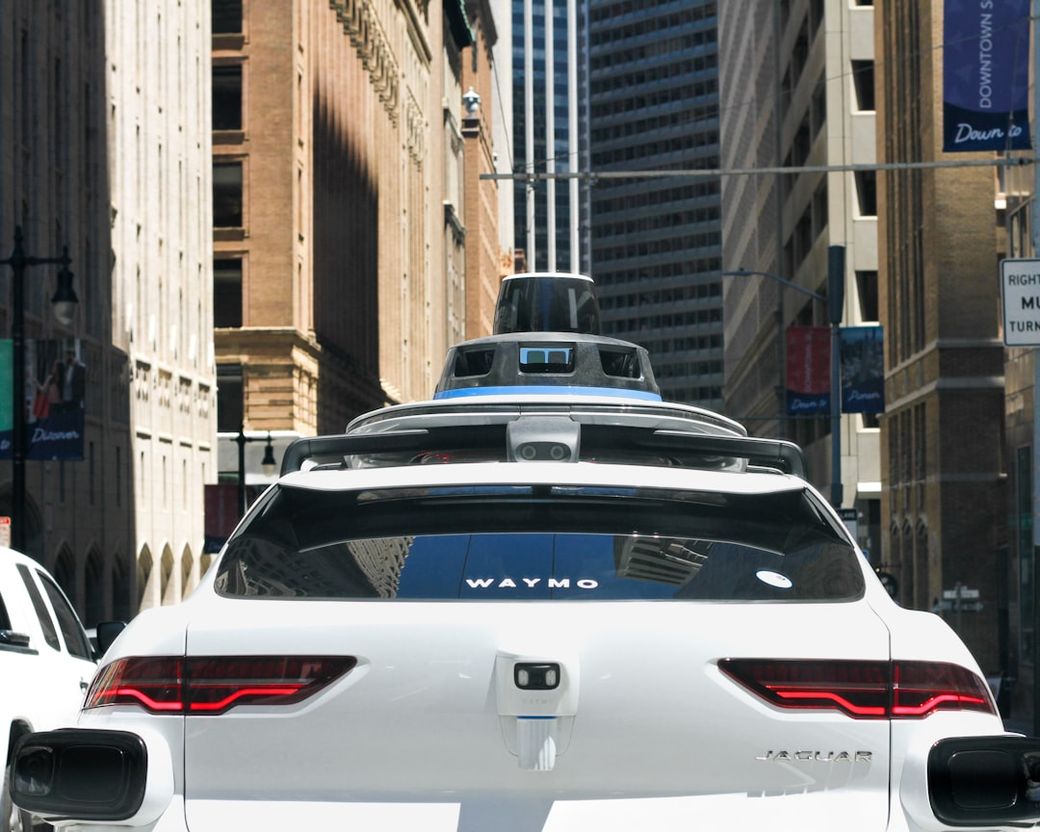
Waymo has marked 200 million fully autonomous miles with a blog post arguing that cameras alone are not enough to deliver safe self-driving cars at scale.
Shant Theorum Malai, Waymo's vice president of onboard software, wrote that safe autonomy requires a "redundant worldview" built from multiple sensor types, specifically citing the lidar and radar systems Waymo uses.
The timing is pointed: it lands just ahead of Tesla's CyberCab launch event, to which only a select group of content creators have reportedly been invited.
Tesla's bet, unchanged
Tesla removed lidar from its vehicles years ago on Elon Musk's conviction that cameras could solve full self-driving alone, and the company's head of AI has reaffirmed on a recent earnings call that Tesla will pursue safe, affordable autonomy using only cameras.
That stance persists despite Tesla's Full Self-Driving system facing continued scrutiny following high-profile accidents, including one involving the coach of the San Francisco 49ers.
Not easy to bin
Lidar has become dramatically cheaper across the industry, and most rivals have adopted it as standard, leaving Tesla increasingly isolated in its camera-only approach.
The company's problem now runs deeper than engineering: its years-long public rejection of lidar has become core to its brand identity, and reversing course would risk undermining previous claims that existing vehicles are already "Full Self-Driving" capable, a legally awkward admission to make.
Waymo's post may also be a regulatory play, an attempt to nudge policymakers toward mandating sensor redundancy for robotaxis in a way that would conveniently exclude Tesla's current hardware.
Waymo is not without its own limits, including struggles with snow and mapping in certain regions, but its underlying argument, that trusting one sensor type alone is a gamble, is one Tesla will have to keep defending as scrutiny of its safety record grows.