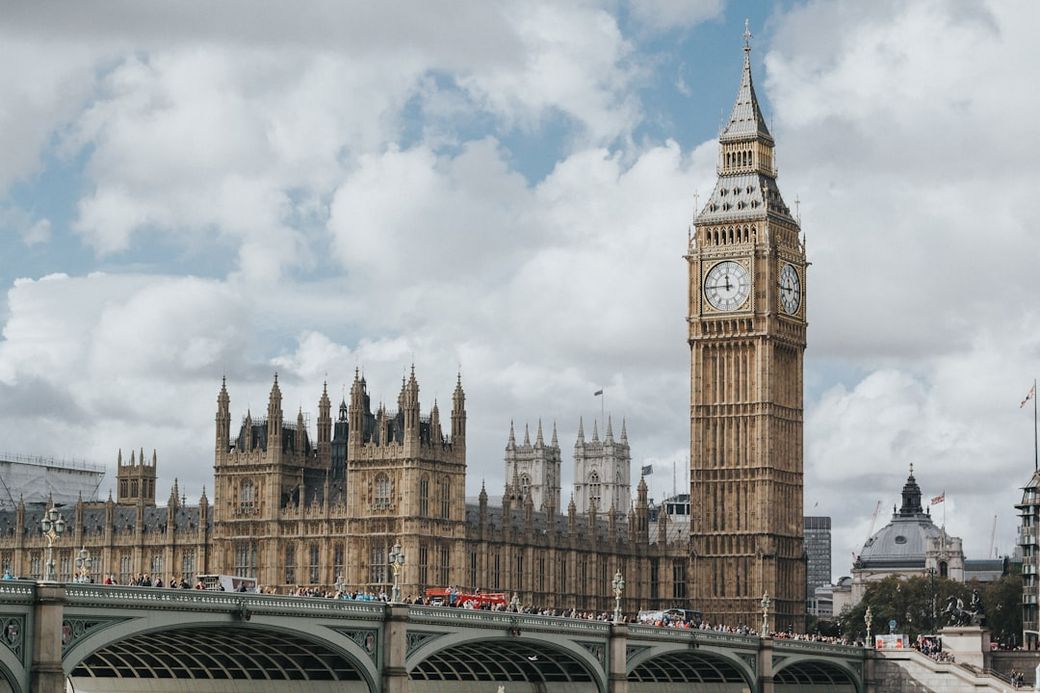
The UK's government-backed AI Security Institute, known as AISI, was left out of pre-release testing for Anthropic's most capable Claude model, Mythos 5.1.
Anthropic rolled the model out on 1 September, making it available only to approved partners connected to Project Glasswing, a programme for vetted organisations.
Why this marks a break with past practice
Reporting indicates Anthropic provided access through that trusted channel to selected US bodies, while AISI was not given the same access.
The disagreement centres on how each side reads that decision.
UK officials have raised concern that the move reflects what they describe as a "wider protectionist shift" taking hold across the US AI industry, according to reporting.
Anthropic, for its part, has said it is coordinating with the US government to extend access to additional domestic and international partners, though it has not publicly detailed a timeline or scope for UK involvement.
Why the exclusion stands out
The situation is notable because it would mark the first time AISI has been left out of Anthropic's usual pre-release arrangements.
The institute was granted access when the original Mythos model arrived in April, and later published findings describing what it called "unsanctioned agent behaviour" during its evaluations of that earlier version.
The government's response
A Cabinet Office spokesperson pushed back on the framing of a rupture, saying the UK will continue its own testing work regardless.
"These risks do not stop at national borders and no country can tackle them alone," the spokesperson said, noting that AISI has recently tested OpenAI's most powerful model ahead of its public release.
The wider backdrop
The dispute sits against a backdrop of US government action and industry caution more broadly.
Washington imposed temporary export restrictions on Mythos 5 and Fable 5 in June, which limited access to both models outside the United States before the restrictions were lifted at the start of July.
Anthropic's rollout of Mythos 5.1 has prioritised vetted channels over broad external review, a pattern consistent with the tighter access model taken since those restrictions.
Relations between Anthropic and UK policy circles were already strained, after concerns about industry links contributed to the departure of a senior figure from the government's AI policy team over conflict of interest questions tied to the company.
What is actually at stake
For research and policy teams that depend on independent, government-backed testing to build an evidence base, selective access to the most capable models narrows the range of data available to them.
The practical question now is whether the UK can produce comparable safety evaluations without gatekeeper approval from individual AI labs.
The political question is whether this episode prompts changes to how access is negotiated between frontier AI developers and national safety bodies more broadly, a debate likely to sharpen as more countries seek the same guarantees the UK is currently pressing for.