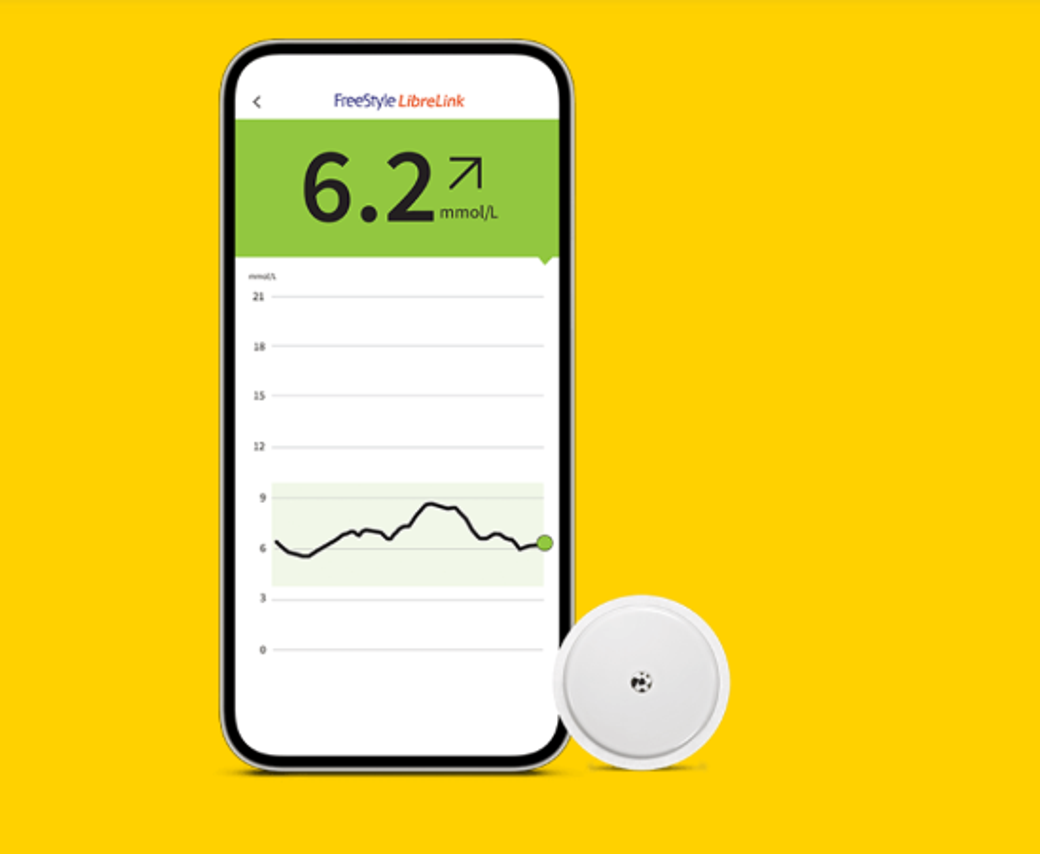
Continuous ketone monitoring has moved off the clinic bench and onto the wrist. The U.S. Food and Drug Administration has authorised Abbott’s Libre Duo 10 Day, a skin-worn sensor that, for the first device time, continuously monitors both ketone and glucose levels and presents them together in a single dashboard.
The sensor is intended to be worn for a 10-day wear period and is authorised for people aged two years and older. Unlike separate, one-off ketone tests, the Libre Duo shows real‑time trends and can send automatic alerts when ketones are rising, a capability Abbott says may help patients and caregivers recognise a diabetic ketoacidosis risk earlier.
As Abbott’s Chris Scoggins put it, "If glucose is the speedometer, ketones are like the check engine light, providing an alert that something may need attention," said Chris Scoggins, executive vice president of Abbott's diabetes care business.
Technically, the meaningful change is pairing continuous ketone sensing with continuous glucose monitoring in a single wearable and app view, rather than adding another separate meter. Abbott also says the Libre Duo integrates with the company’s Libre app and is working with insulin‑pump makers to feed those signals into automated delivery systems, a push that frames this as an attempt to close the loop between sensing and treatment.
The approval follows a multi‑year industry effort to move beyond single‑point fingerstick or urine ketone checks and to reduce the delay between rising ketones and clinical action.
Abbott told Reuters it is working with leading pump companies to enable connectivity and expects the Libre Duo to work with devices from Insulet and Tandem in 2027. For patients and carers at risk of diabetic ketoacidosis, a single sensor that traces both glucose and ketones is a practical step forward; for everyone else, it is a reminder that monitoring is beginning to supply different, earlier signals, not a replacement for clinical judgement.