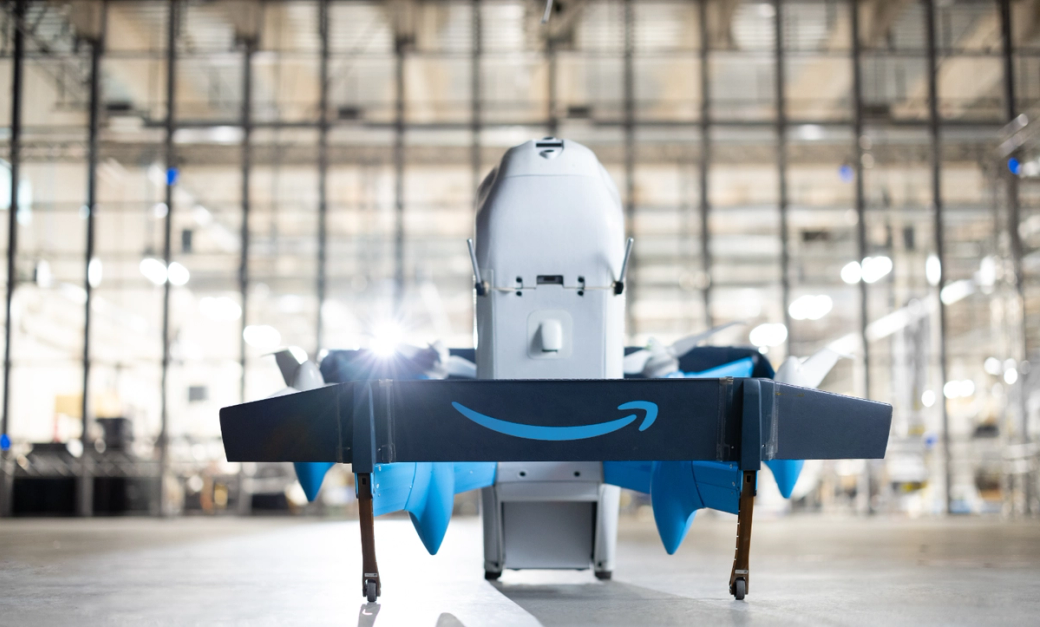
What's new: Amazon aims to make 1 million airborne deliveries this year, to customers in up to c.500 locations in the United States.
Amazon has announced it is moving Prime Air into a broader roll-out, following successful trials and pilot programs.
The online shopping giant said, in a blog post, that it will offer drone deliveries in nearly 500 locales by the end of the year, and that will represent a roughly sixfold increase on its present coverage.
The expansion adds new metro areas, including Chicago, Syracuse, Cleveland, Atlanta and Boise, to the 11 locations where the service already operates.
A change in scale
Prime Air aims to extend its lightweight, short‑range delivery network across many more suburban ZIP codes and aims to carry small packages rapidly.
Amazon says the drones handle parcels up to 5 pounds and can make deliveries in as little as 30 minutes, though the company and its executives acknowledge most orders arrive closer to roughly 60 minutes after checkout.
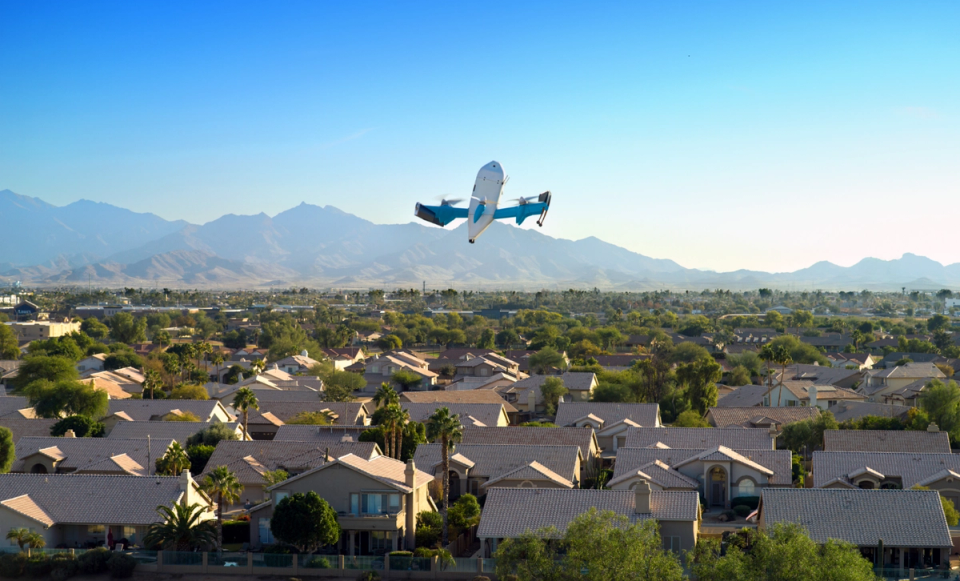
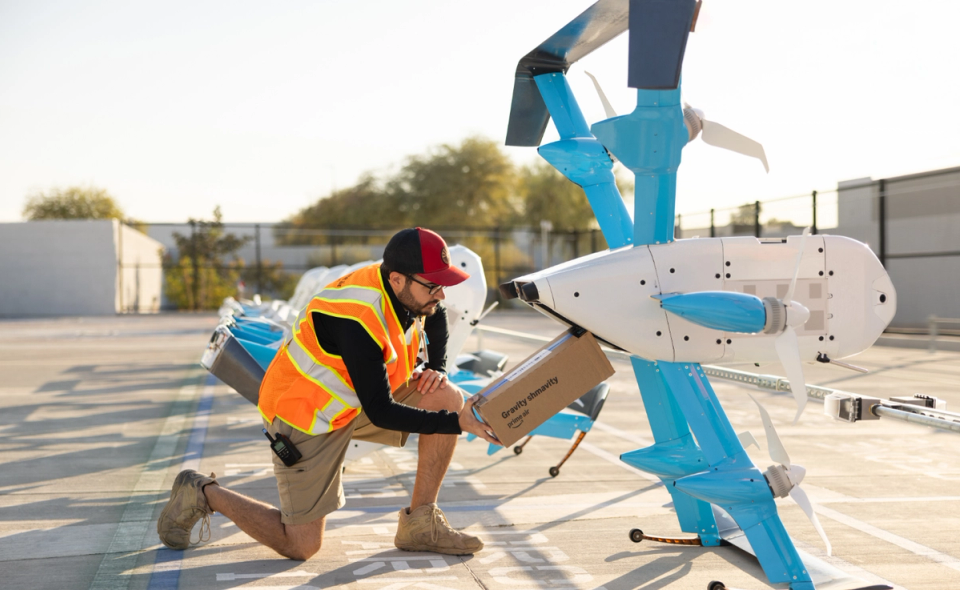
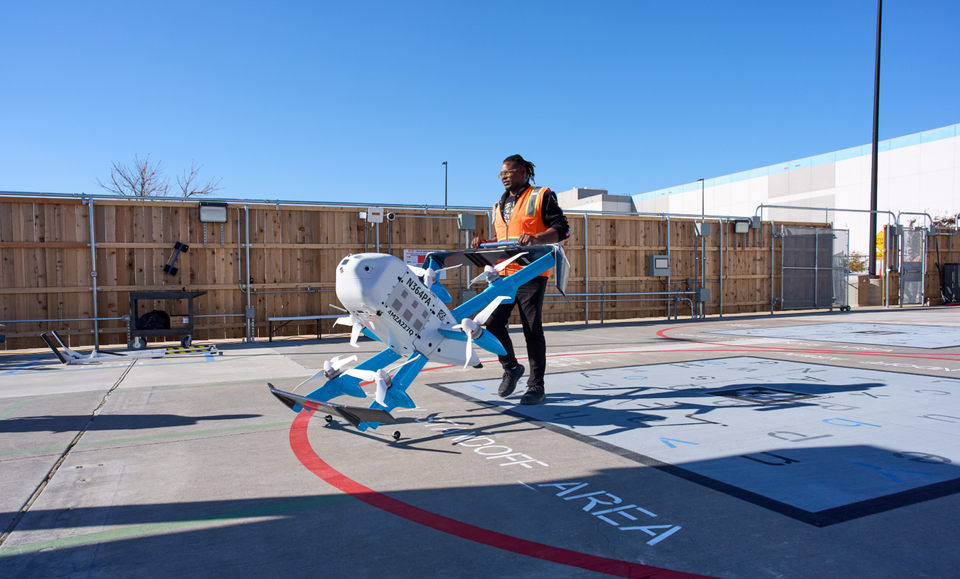
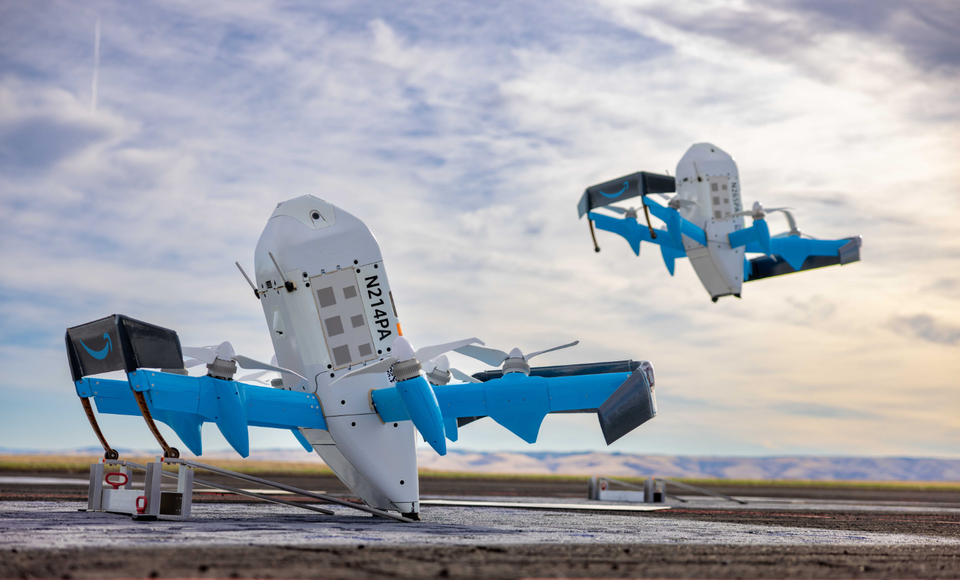
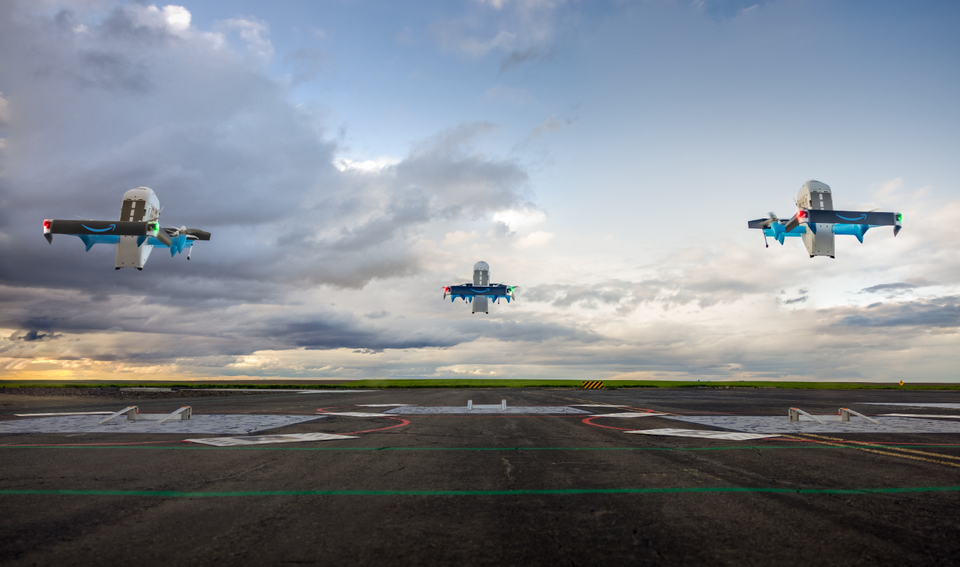
It also reports that it has already made hundreds of thousands of deliveries this year, as it now performs thousands of airborne deliveries each day, sharing stats that signal this recently experimental programme is moving closer to routine use.
Is it dangerous?
Amazon's communication says the rollout is safety‑aware and operationally precise.
In particular, the company highlights Prime Air’s Detect-and-Avoid system, which .... , and claims that each of its Prime Air sites serves roughly 175 square miles. Basically, the message is the service is being operated in suburban areas rather than dense urban centres.
Past setbacks and future scaling
Amazon previously faced regulatory delays and public pushback during early pilots, and independent reports have documented drones crashing into cranes and other infrastructure during testing.
The next milestone is scale, with Amazon projecting that the programme will reach a near‑500‑site footprint, and it is aiming to see 1 million deliveries this year.